
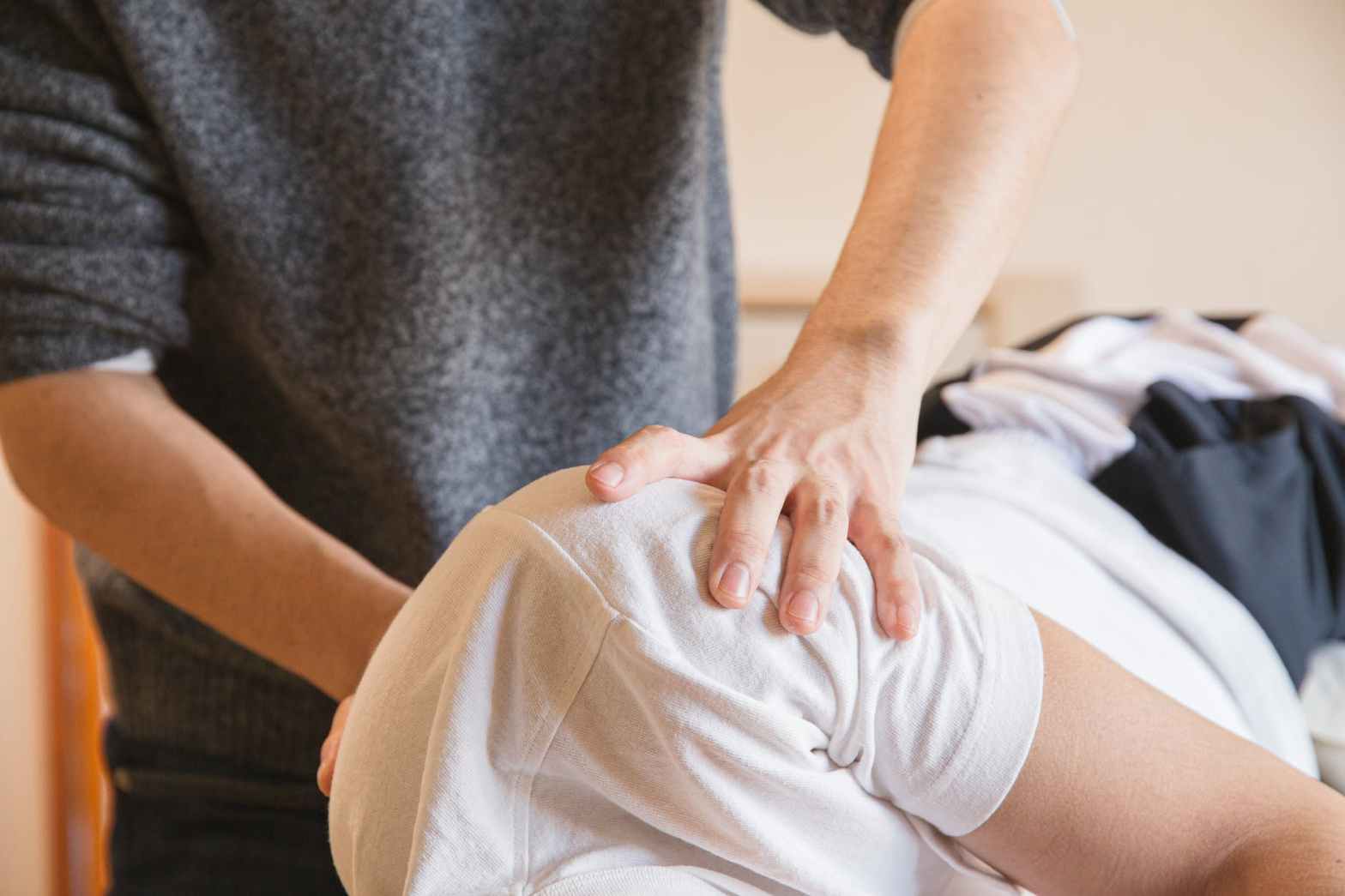
Shoulder injuries are one of the most common presentations we see as osteopaths. They can be hugely debilitating and frustrating to deal with as a patient. It can effect everything: from getting dressed in the morning to being able to wash your hair, let alone trying to pick up your children or lifting heavy objects.
The most common presentation would be related to the rotator cuff. But what is that? It is not a part of the body often well understood in the general population.
What is it?
The rotator cuff is a set of four muscles within the shoulder. These muscles all function to keep the arm bone (humerus) in proper alignment to the body, as well as support the capsule of the glenohumeral joint.
The muscles are called supraspinatus, infraspinatus, teres minor and subscapularis. They all have different functions in relation to how they make the shoulder move. It is often the tendons of these muscles that cause the problems rather than the muscle belly itself. The tendons may become inflamed or be impinged. This leads to either pain, weakness and/or reduction in range of motion of the shoulder.
The most commonly injured tendon is the supraspinatus. It has a poor blood supply and is stressed further by its position within the shoulder joint. It can be easily impinged within the shoulder, which can lead to tendinopathy or tearing. Pain is usually felt when you try to lift your arm straight out to the side.
Why does this happen?
There are a few main mechanisms of injury that occur to the rotator cuff:
- Compression = the space where the tendons go through the shoulder is compromised. E.g. excessive bone growth in older patients or decreased stability of the joint.
- Tensile overload = the shoulder is resisting forces applied to it. E.g. throwing, hammering.
- Macrotrauma = tearing of the tendon when the force is stronger than the tendon. E.g. falls, catching unexpectedly.
What can I do about it?
Seeking advice from a medical professional is always advised when it comes to shoulder pain and the rotator cuff. Conservative treatment from your local osteopath is a great way to start you on your journey to recovery. We can provide you with some hands-on treatment for symptom management and exercise programs to rehab the area.
You may require scans on the shoulder for confirmation, which your GP will refer you for.
References:
Dutton’s Orthopaedics.
Grey’s Anatomy
 Atlas Osteopathy